 Pill
Custom Logo Pill Boxes: A Sourcing Guide for Private-Label Buyers
Learn how to approach logo placement, color variants, packaging, and sampling for private-label pill boxes.
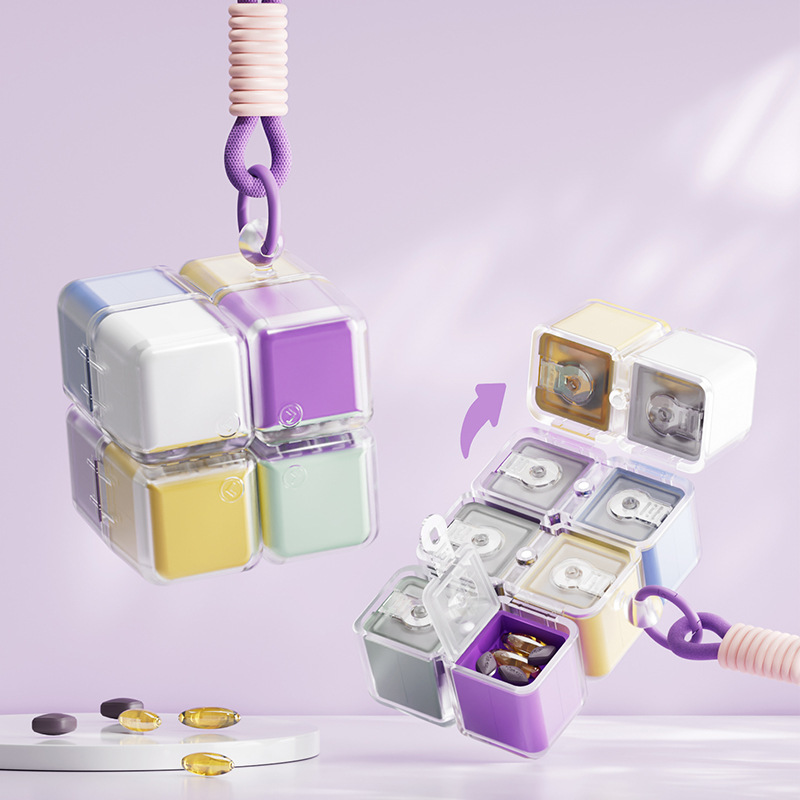
Define the customization scope
Private labeling may mean adding a logo to a standard model, selecting an existing color, changing the packaging, or commissioning a modified structure. Each level may have a different minimum quantity, tooling requirement, lead time, and price. Begin with a written customization brief that separates must-haves from preferences. For example, a standard color with a single-color logo is not the same project as a newly tooled enclosure. Ask for separate prices and feasibility assessments for each route; it helps identify the least complex option that still fits the brand.
Check the actual printable surface
Curved lids, textured finishes, and small rounded cases provide limited areas for decoration. Request our team’s available print area, recommended artwork format, and a realistic logo mock-up for the exact model. A mock-up should be evaluated at the real product size, not only enlarged on screen. Fine lettering and delicate outlines may not remain legible on a small case. Provide vector artwork when available, specify placement and orientation, and ask our team to identify any production constraints before approving the final artwork.
Consider use and abrasion
A mark placed where a lid rubs against another part may wear sooner than a mark on a protected flat face. Ask to verify logo legibility and wear on a physical sample, especially when customers will carry the product daily. Sample approval can cover appearance, but it should also cover usability after decoration. Evaluate whether the logo gets in the way of handling, whether the finish feels consistent, and whether the lid continues to operate normally. Record the approved appearance so future repeat orders can be checked against a consistent reference.
Keep color specifications specific
Reference images can vary between screens. For custom colors, share a color standard where available and agree on a physical sample before mass production. Existing stock colors are a separate sourcing decision from custom-matched colors. For custom shades, make a clear distinction between approximate digital color and the approved physical sample. Different base materials and surface textures can make a color appear different even when a numerical reference is used. Establish what deviation is acceptable and who gives final approval before ordering a custom-color batch.
Plan retail packaging early
Packaging may require a dieline, barcode area, multilingual information, and packing tests. Buyers should confirm which party supplies artwork and who is responsible for final market-specific label review. A packaging brief should define its audience: direct-to-consumer retail, wholesale cartons, promotional giveaways, or marketplace fulfillment. The required visual design, product information, and protective structure may differ. Confirm the number of design versions and whether packaging artwork changes introduce additional costs or approvals.
Request an itemized quotation
Ask for unit price by quantity, any logo setup charges, packaging costs, sampling fees, estimated lead times, and shipping terms. Without those items, two apparent quotes may not be comparable. Ask our team to break out product cost, decoration, packaging, samples, setup charges, and shipping assumptions. Also clarify what happens if artwork is revised after a sample is approved. A comparison table using consistent quantities and identical specifications often tells buyers more than a single headline unit price.
Check the requirements for the exact product and intended use. Medicine-specific questions should be taken to a pharmacist or the medicine manufacturer.